

Parliamentary program, Rule of law
Prosecution’s accountability to Parliament: A duty, not a choice
Re-form for Growth: Small Grant Facility – Call for Proposals
Proposed Laws on Internal Affairs and the National Security Agency Still Contain Controversial Provisions
Space for Civil Society in Monitoring the Reform Agenda
Accountable public finances, Public administration reform
Strengthen Public Procurement Oversight, Not Weaken It

The Government’s Proposal of Constitutional Amendments will not Enhance the Role of the Prosecutorial Council


Stop the Increasing Use of Non-Transparent Intergovernmental Agreements

EU accession negotiations, Parliamentary program
Decision Year, No Roadmap: Government and Parliamentary Committees Late With Work Plans
Other, Public administration reform
Decentralisation of Spatial Planning Only on Paper: Municipalities Without Staff

Legislative Framework of Spatial Planning in Montenegro: Two Decades of Turbulent Change
Scheduled, double-booked, postponed: Prime Minister’s Questions– an obligation on hold
Reform Agenda and Civil Society: Frequently Asked Questions Answered
Blog
Read all blogs →Podcast
View all podcasts →
Podcast, Public administration reform
Public Sector Under the Labor Inspectorate’s Scrutiny: Fewer Inspections, More Initiatives

Podcast, Public administration reform
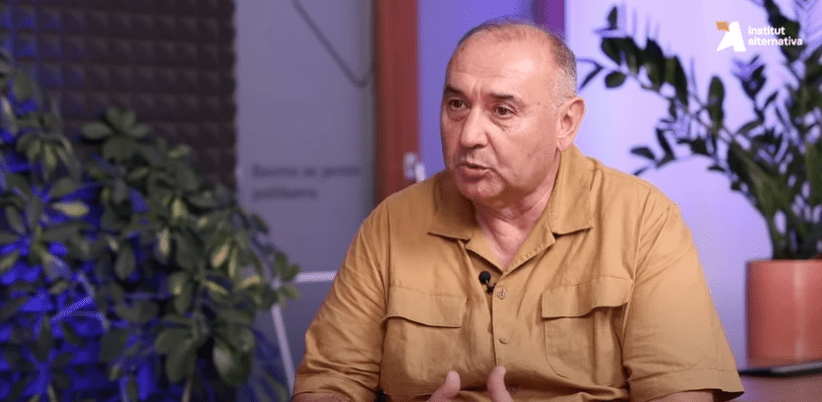
#ReForma: On Employment and Challenges in the Capital City
Podcast, Public administration reform
Discrimination in Public Sector Employment: Difficult to Prove, but Widespread

Podcast, Public administration reform
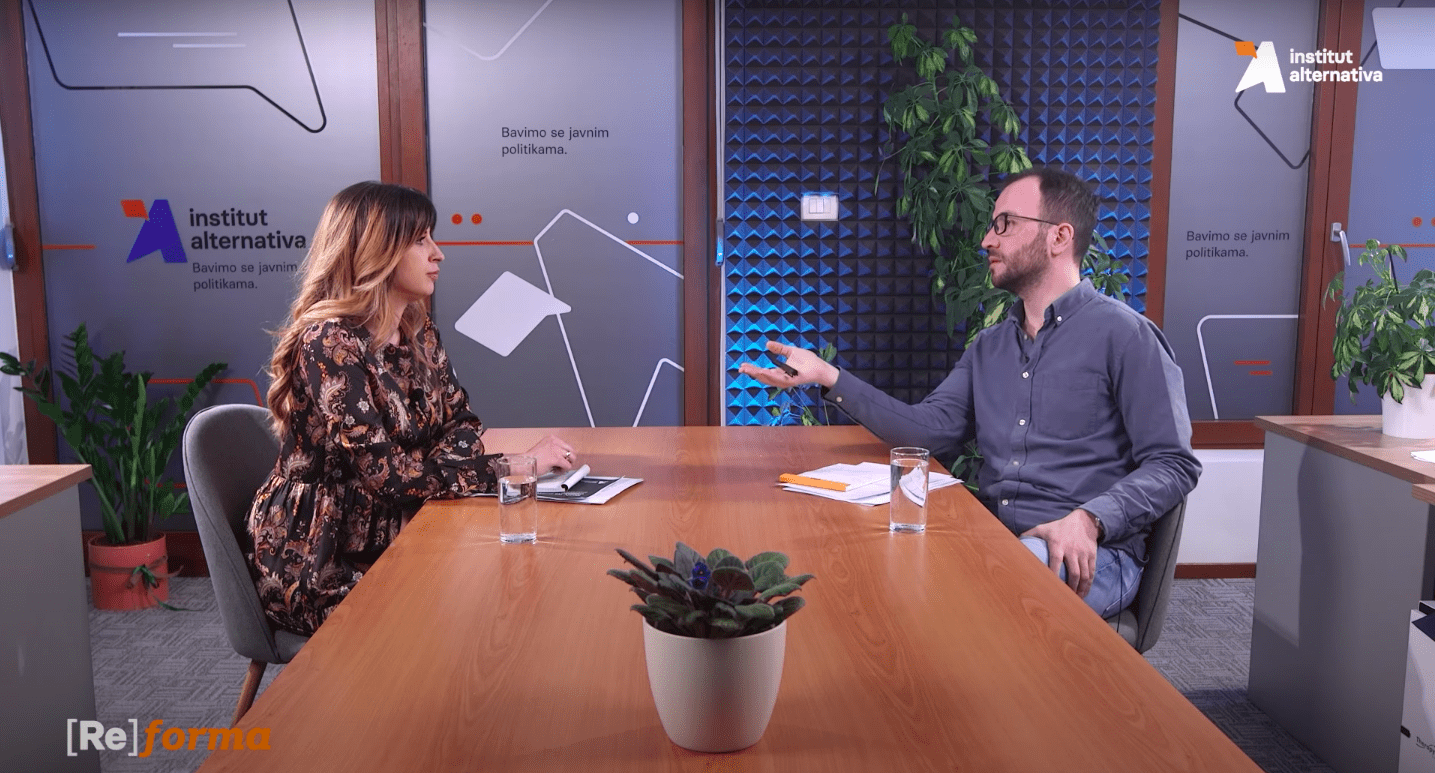
The second episode of IA podcast (Re)Form with Marija Hajduković: Counting public administration employees
Podcast, Public administration reform
The first episode of our new podcast “(Re)Forma”: Institutions should not enhance the reduction of competitiveness of employment process
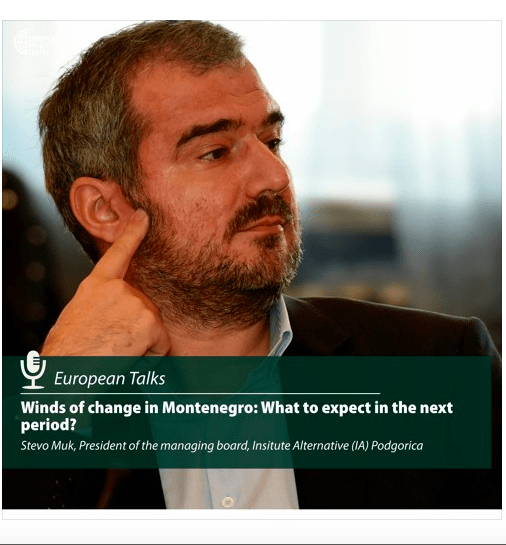
Podcast, Public administration reform
Stevo Muk in the Podcast “European Talks”
Portal Moj novac

Public Procurement
Check out who’s winning public contracts, how much they’re getting paid, and which companies have received funding for goods, services, or construction over the last three years.

Budget Payments
Where does our budget money actually go—and who’s getting it? Explore our database with millions of transactions from the state treasury, going all the way back to 2011. It’s updated every month using data from the Ministry of Finance.

Budget at a Glance
See how the government plans its budget, where the money comes from, and how it’s being spent. The database covers everything from 2013 to today.

State-Owned Companies
All the info in one place—find out who runs state and municipal companies, how much they earn, how many people they employ, their financial results, and more. You’ll also find documents, sponsorships, donations, and other useful details.